
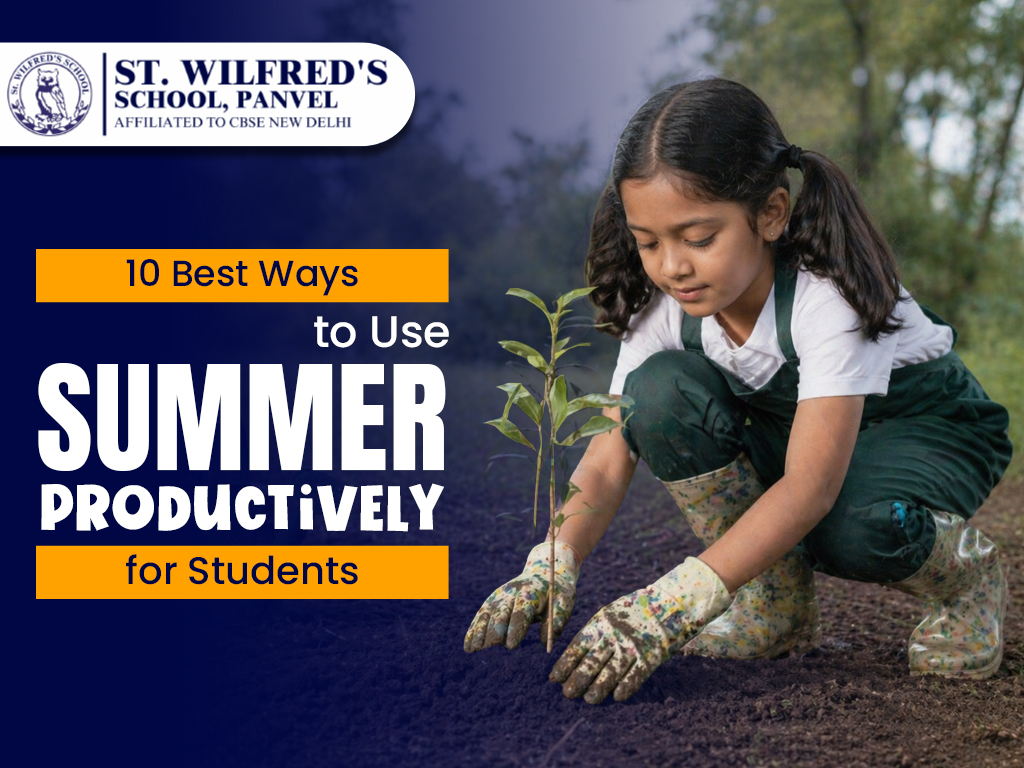
Summer vacation is finally here, and while children are so excited to spend every day scrolling, sleeping in, or binge-watching shows, this two-month window is one of the most powerful opportunities a student has to grow. The question is: how do you make the most of it without burning out?
Whether you’re a school student or a college-goer, summer vacation ideas for students don’t have to look like a rigid timetable. A productive summer vacation is all about balancing rest with purposeful activity, learning new skills, exploring interests, and quietly getting ahead. Here are 10 meaningful ways to spend summer vacation that you’ll actually thank yourself for later.
1. Build a Skill You’ve Always Wanted to Learn
Summer gives you time that the school year rarely does. Use your vacation to pick up a new skill you are interested in, such as coding, graphic design, a musical instrument, dance classes, a new language, or even cooking. Today, online platforms such as Coursera, Khan Academy, and YouTube make learning accessible for free. Even dedicating 30–45 minutes a day adds up to real progress by the end of the break.
2. Read for Pleasure, Not Just Syllabus
Reading for fun is one of the most underrated summer activities for students, but it can be a great hobby during vacations. Usually, you read just for the syllabus, but during your vacation, enjoy reading and learning, and pick up fiction, biographies, science non-fiction, or self-development books that enhance your knowledge. Reading builds vocabulary, critical thinking, and imagination skills that translate directly into academics and professional life. Aim for one book every two to three weeks.
3. Take Up a Part-Time Job or Internship
Older students especially benefit from real-world exposure. When you have time to take internships, even short, unpaid ones, they give you industry insight, a professional network, and a confidence boost which support you in future. Part-time jobs teach time management, financial responsibility, and interpersonal skills. This is the kind of experience that stands out in applications to the best schools in Panvel and top colleges alike.
4. Work on Your Creative Side
Art, writing, photography, filmmaking, or even podcasting: creativity also thrives when activities are interesting if you’re not rushed. Summer holiday activities for students that tap into their creative interests help reduce stress, improve expression, and often lead to a better understanding of their inner talents. You can start a journal, launch a blog, or make short videos, as these activities are not only interesting but also help in building a great future. You don’t need to be perfect; you just need to start.
Pro tip: Creative projects make excellent portfolio pieces. A student who shows up with a self-initiated project always stands out in classrooms, competitions, and interviews.
5. Get Physically Active
Among the best student productivity tips that are often overlooked: your body fuels your mind. Join a summer sports camp, cycle around your neighbourhood, practise yoga, or simply go for daily morning walks. Physical activity improves focus, mood, and sleep quality, all of which directly impact academic performance.
6. Volunteer and Give Back
Volunteering is one of the most enriching summer holiday activities for students. Working with NGOs, animal shelters, community libraries, or local cleanups teaches empathy and leadership. It also broadens your perspective and gives you a deeper understanding of the world beyond textbooks, in a way no classroom can replicate.
7. Practice and Improve Presentation Skills
Why communication matters more than ever
In today’s world, knowing how to speak confidently in front of others is as important as knowing your subject. Use this summer to work on how you communicate, join a public speaking club, watch TED Talks and practise mirroring their structure, or record yourself speaking on a topic you know well. Learning to improve presentation skills early gives students a lifelong advantage in every academic and professional setting.
Try this: Pick a topic you care about, prepare a 3-minute talk, record it on your phone, and watch it back. Repeat weekly. You’ll be amazed at the improvement within a month.
8. Learn About Digital Safety
Staying smart online during the holidays
With more screen time in summer comes more exposure to online risks, which can lead to so many frauds and scams. Students should take time to understand privacy settings, identify phishing attempts, and practise responsible digital behaviour. Online safety for kids is no longer optional as it’s an essential life skill. You have to explore resources from trusted organisations to learn about cyberbullying, data privacy, and safe social media habits.
9. Revisit and Strengthen Academic Weak Spots
A productive summer doesn’t mean studying all day, but an hour or two spent on subjects you struggled with during the year can make the next academic session dramatically smoother. Work through practice problems, watch explanatory videos, or get a peer to study with you. This low-pressure revision pays off when exams arrive.
Focus on concepts, not marks. Understanding why something works makes it stick far longer than memorising answers.
10. Plan, Reflect, and Set Goals for the Year Ahead
The final week of summer is the perfect time to sit with a notebook and reflect on what you learned during the break. You should set clear, realistic goals, academic, personal, and creative, which give the upcoming school year direction and purpose. The best students aren’t the most talented; they’re the most intentional.
Conclusion: Make This Summer Count
A productive summer is not about just exhausting yourself in learning or filling yourself with every new skill; it’s about spending time on the things you love to do that genuinely move you forward. Every small step adds up, whether you are building a skill, volunteering, working on fitness, or learning to use summer vacation productively while enjoying every moment. The students who return to school in September with some stories, skills, and self-awareness are the ones who’ve made summer truly work for them.
FAQs
How can students make their summer vacation productive?
Students can make summer vacation productive by learning a new skill, reading regularly, volunteering, practising physical activity, and spending time on creative projects. The key is balance, mixing rest with purposeful activity rather than an exhausting schedule.
What are the best summer activities for school students?
Some of the best summer activities for school students include joining a summer camp, taking up a hobby like music or art, enrolling in online courses, volunteering in the community, reading books, and improving communication and presentation skills. Students admitted to the best schools in Panvel and elsewhere often stand out because of how they spend their vacations.
How many hours a day should a student study during the summer?
There’s no one-size-fits-all answer, but 1–2 focused hours of academic revision per day during summer is generally healthy and effective. This keeps concepts fresh without causing burnout, leaving plenty of time for other enriching activities.
Is it okay for students to relax and do nothing productive during the summer?
Absolutely. Rest is an essential part of a truly productive summer vacation. The goal isn’t to eliminate downtime but to be intentional about it. A student who rests, recharges, and then engages in a few meaningful activities will return to school far more energised than one who either overworks or completely switches off.