
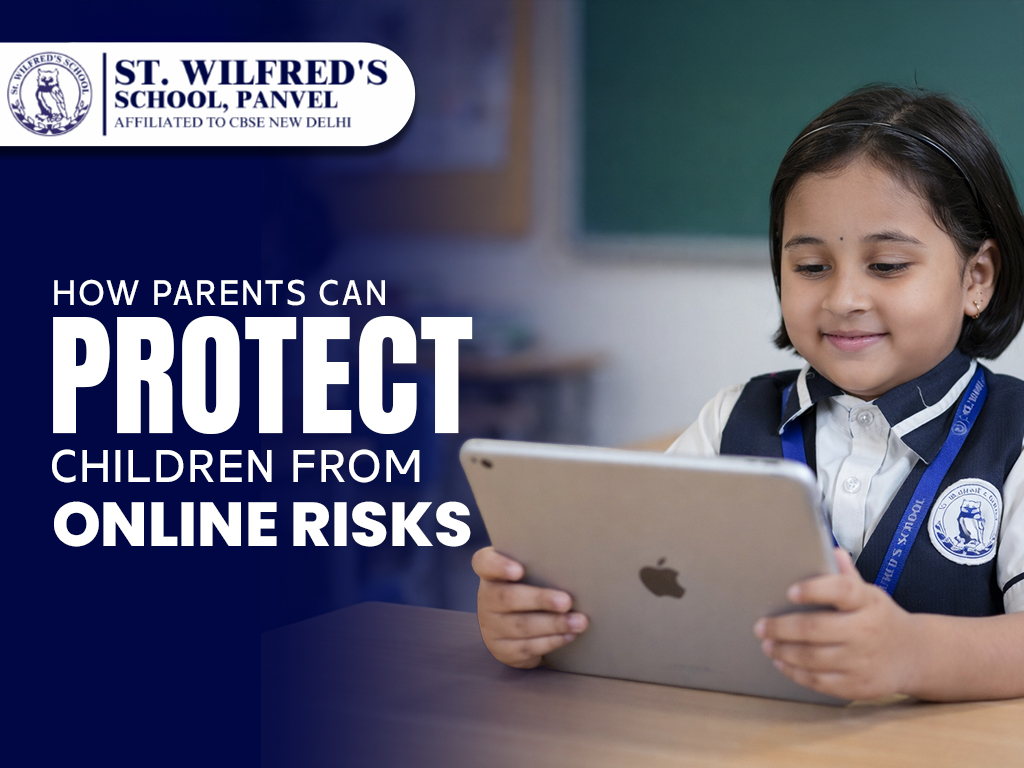
Today’s kids are so connected with digital gadgets, from online classes and educational videos to surfing on social media and gaming; everything has completely transformed. The internet opens doors for several new opportunities, like your child getting knowledge online and learning new skills by using social media, but with the benefits, it also brings a set of risks that every parent must be aware of.
Internet safety for kids has become one of the most important responsibilities of modern parenting because kids nowadays spend a lot of their time on smart phones, laptops, and other gadgets. In the name of education, they start playing games on them and waste their time.
It is not important whether your child uses a tablet for taking classes or a smartphone for chatting; knowing how to protect them in the digital world is important. In this guide, we’ll walk you through practical online safety tips for parents so you can aware your child and provide them knowledge about the internet’s vast and sometimes dangerous landscape.
Why Online Safety for Children Matters More Than Ever
Children are mainly unaware of the problems and dangers that revolve around digital spaces. The threats about cyberbullying and fake content without consent and data theft are real. According to child safety reports, a heavy number of children encounter harmful content or interactions through online platforms each year.
Schools also play an important role in informing students about online safety. Top schools’ organized programs integrate digital literacy, teaching students how to navigate the internet safely and responsibly. Parents must also be proactive about how to protect kids online because school education alone is not enough.
Top Online Safety Tips for Parents
1. Start with Open Communication
The first step in cyber safety for kids is making sure your child feels comfortable talking about their online experiences. As a parent you should ask regularly about what websites they visit often, who they chat with, and what kind of content they’re consuming. Children who feel comfortable talking to their parents are less likely to hide risky online behavior.
2. Set Clear Screen Time Boundaries
As parents, you have to make rules for your child about when and how long your child can use the internet. You can also use built-in device features like Screen Time (iOS) or Digital Wellbeing (Android) to set daily limits.
3. Use Parental Control Apps
Parent control apps help parents in managing how children get benefits from the app. These apps allow you to monitor activities of your child and block websites if you think that they are inappropriate. In these apps you can also track location. Some of the popular options include the following:
Qustodio: This helps you in comprehensive monitoring and filtering across all devices, whether smartphones or tablets.
Net Nanny: It plays an excellent role for content filtering and managing your child’s screen time.
Google Family Link: It is suitable for Android users and offers app approval features.
Bark: It helps in using AI to detect signs of cyberbullying, depression, or predatory behavior.
These tools are not about spying on your child; they’re about creating a safe digital environment while they’re still learning.
4. Educate Children About Privacy
You have to teach your child never to share personal information online, such as full name, home address, school name, phone number, or passwords. Even very small details provided by you can be used by strangers with bad intentions. So it’s your duty to make your child aware that what they post online can be permanent and public.
5. Monitor Social Media Use
Most social media platforms require users to be at least 13 years old. Even then, the content children encounter can be inappropriate or harmful. Regularly review your child’s friend list, privacy settings, and the type of content they’re sharing or receiving.
How to Protect Kids Online: A Family Approach
For every parent it is significant to understand the safety measures and how to protect their kids online. This safety measure is about building family culture around digital responsibility because installing filters and monitoring apps is not enough and also creates a gap between you and your children. Here are a few habits to adopt together:
- Do not keep devices in the bedroom; keep them in common areas.
- When your children are using the internet, browse the internet together with them.
- Do not ignore the changes in behavior of your child. Watch out for signs such as avoiding school and mood changes because these are the outcomes of cyberbullying.
- Create an environment in which your child is free to talk to you and tell you about anything they see online that makes them uncomfortable.
Many parents also wonder, is digital learning safe and effective for CBSE students? The answer largely depends on how well-supervised and structured the digital experience is. With the right safeguards in place, digital learning can be highly enriching and completely safe.
The Role of Schools in Online Safety
Parents are not alone in this fight; schools also play a significant role in reinforcing good digital habits. The top schools teach how to be responsible digital citizens.
If you are based around Navi Mumbai or in the same region and looking for a school that combines both academic excellence and digital awareness, contact a CBSE school in Panvel to learn more, as they organize digital safety programs and initiatives for students.
Schools that incorporate cyber ethics, media literacy, and responsible technology use into their curriculum are helping the next generation navigate the online world with confidence and caution.
Conclusion
There is a difference between protecting your child online and cutting them off from technology. For protecting them, you have to empower them to use it wisely. By using the right strategies of online safety for children and the smart use of parent control apps, you can ensure your child gets the benefits of the digital world while staying protected from its risks.
FAQs
Why is it important for parents to protect children from online risks?
Nowadays, children are spending most of their time online for learning, gaming, and social interaction. Parents need to warn them so that they can avoid risks of cyberbullying, online scams, and other harmful content.
What are the common online risks for children?
Some common online risks include cyberbullying, online predators, identity theft, inappropriate content, and excessive screen time.
How can parents monitor their child’s online activity?
Parents can monitor activity by checking browsing history, reviewing social media use, and using parental control tools that help track and manage internet usage.