
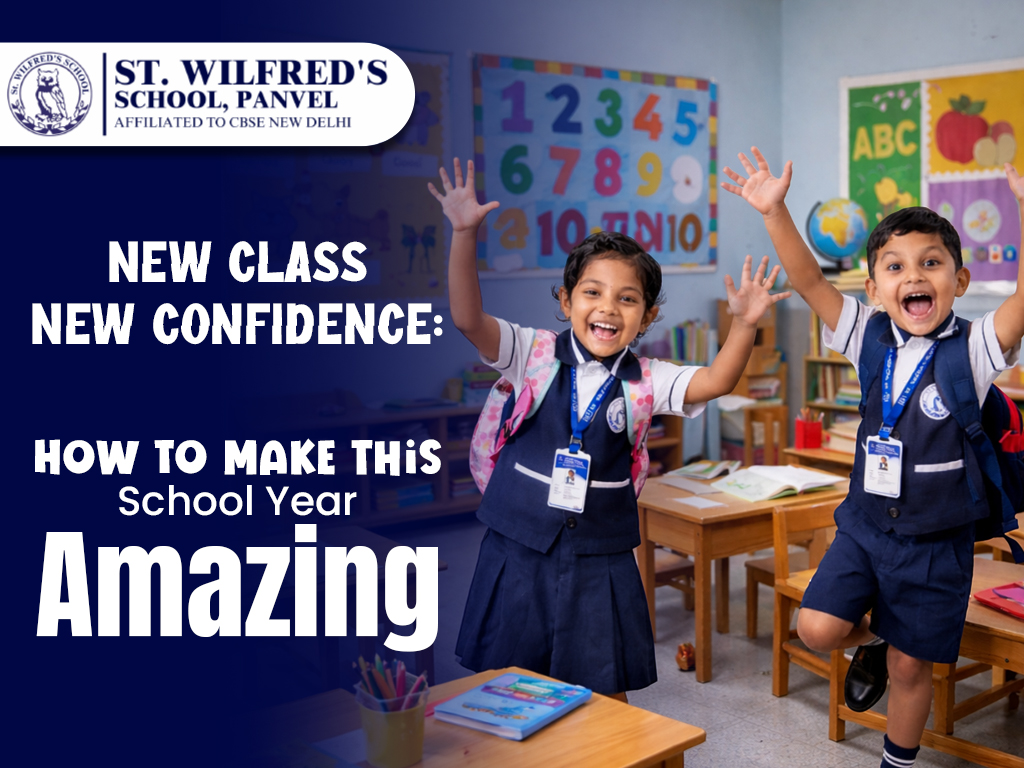
A new academic session is more than just new books and a fresh timetable; it’s a chance to reset, grow, and become the best version of yourself. Whether your child is stepping into Grade 1 or Grade 12, the beginning of the school year sets the tone for everything that follows.
As parents and students prepare for the months ahead, having the right back-to-school tips can make all the difference. This guide offers practical advice to help every student walk into class ready, focused, and genuinely confident.
Why the Start of the School Year Matters More Than You Think
As a new academic session begins, the first few weeks quietly shape habits, friendships, and attitudes that persist for months. Students who enter the year with a clear, well-defined approach tend to stay organized, manage stress better, and perform more consistently, not because they are naturally smarter, but because they start with interest and intention.
Educators at the best CBSE school in Panvel often observe that students who face problems mid-year typically lose momentum in the first month of the academic session. The good news is that a few simple school preparation tips can prevent that entirely.
Smart School Preparation Tips to Get Ahead Early
Set Up a Study Space That Actually Works
A dedicated, distraction-free study corner signals to the brain that it’s time to focus, and it should be well-lit, stocked with essential information, and away from the television. According to a study, students who study in a consistent space tend to retain information better and complete homework faster.
Build a Realistic Routine- Before School Starts
Try to maintain your sleep schedule; gradually shift your bedtime earlier in the week before school reopens. A well-rested student absorbs lessons far more effectively than a tired one. Create a proper timetable paired with a morning schedule that includes a healthy breakfast and a few minutes of quiet reading.
Building Confidence Before the First Bell Rings
Confidence is not built in; it develops day by day. If your child seems anxious about a new class, new teacher, or new school, that is completely normal. Students build confidence when they gain the freedom to make their own choices, have small wins, and make mistakes without shame.
- Encourage your child to make friends in the first week
- Praise effort and process, not just results and grades
- Let them pack their own school bag because ownership builds responsibility
- Talk openly about their days; normalise the feeling of being new
- Celebrate small wins: finishing a chapter, understanding a tough concept
When children feel heard at home, they show up bolder in the classroom because confidence grows in safe environments.
Digital Learning Tips for Students in Today’s Classroom
Modern schooling is increasingly integrating digital technologies, and students who really take an interest in using and learning about technology gain a real edge. Here are some digital learning tips for students that go beyond just watching a video.
Use AI Tools the Right Way
One of the most exciting shifts in education is the rise of using AI tools for students. Several tools, such as AI-powered note summarizers, flashcard generators, and writing assistants, can dramatically cut revision time. However, the motive is to use those tools as a thinking aid, not a thinking replacement. Take advantage of AI to explain a concept differently, quiz you on a topic, or help organize your essay outline, and then do the actual work yourself.
Manage Screen Time with Purpose
Watching an educational documentary is different from scrolling social media for an hour because not all screen time is the same. As parents and teachers, they should help students categorize their screen time into “learning,” “creating,” and “consuming” and aim for a healthy balance of all three.
Student Success Tips That Go Beyond the Textbook
Real student success tips are not always related to studying harder because they also teach you to study smarter and live better. Here’s what consistently top students do differently:
- They review their notes within 24 hours of a class (the brain retains far more this way)
- They ask questions, even the ones that feel pretty normal
- They take breaks because they understand rest is important for better performance
- They build relationships with teachers, not just with books
- They track their own progress weekly and adjust what isn’t working.
It is also important to acknowledge the top challenges students face in modern schools, including peer pressure and exam anxiety, as well as information overload and social media distractions. Acknowledging these challenges openly helps students develop strategies to navigate them rather than being overwhelmed by them.
Conclusion
Every new school is like a new journey, and that is the most exciting thing for a student because whether your child is navigating a brand-new classroom or you’re a student returning with lessons from last year, the criteria remain the same so prepare thoughtfully, stay curious, build habits slowly, and be kind to yourself when things don’t go to plan.
The schools that understand this, like the best CBSE school in Panvel, invest as much in a child’s emotional readiness as their academic one. A confident student isn’t just someone who scores well on tests; they walk into every challenge believing they have something valuable to offer.
FAQs
Which AI tools are helpful for students in 2026?
Some of the most useful AI tools for students include AI note summarizers, grammar and writing assistants, flashcard generators, and AI tutors that explain concepts in multiple ways. The key is using these tools to support thinking, not replace it.
How do you build confidence in children before a new school year?
The responsibility for developing confidence starts at home. As a parent, you should praise effort over results, give children small responsibilities like packing their own stuff, encourage them to make new friends, and normalize feelings of nervousness.
What are the top challenges students face in modern schools?
The top challenges students face in modern schools include exam pressure, social media distractions, high information overload, peer comparison, lack of focus, and difficulty balancing extracurricular activities with academics. Acknowledgement of these challenges supports students and parents in addressing them proactively.