
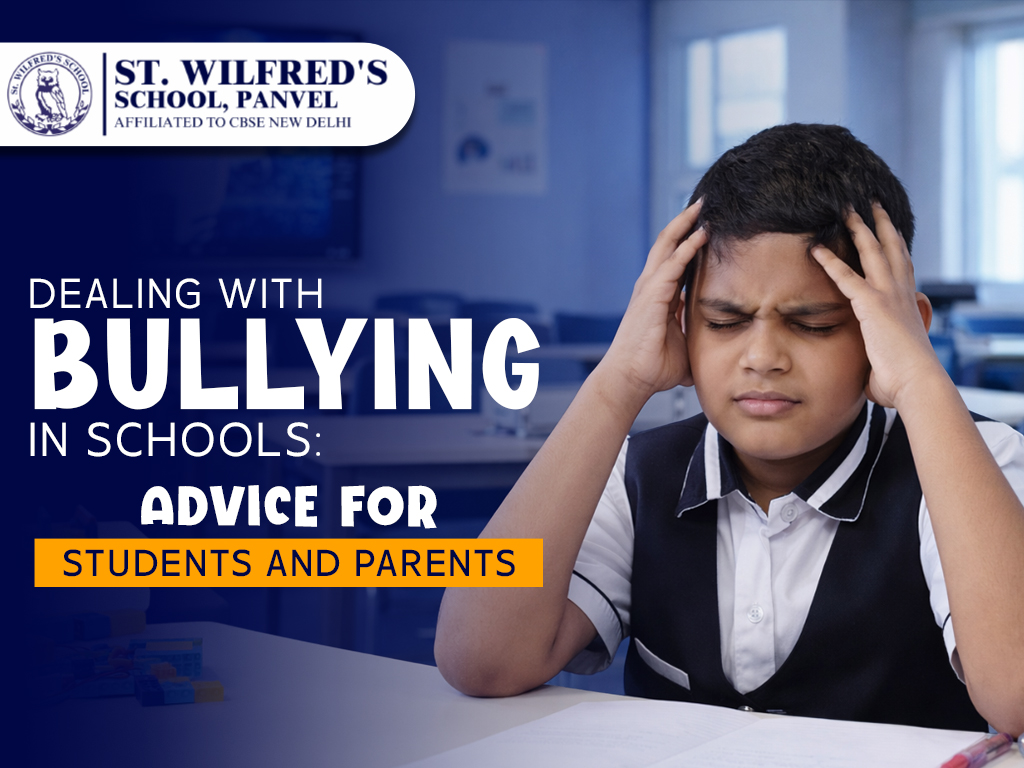
School bullying is not a new problem, but in today’s world, it has become more complex, more persistent, and more damaging than ever before. Whether you are a parent trying to safeguard your child or a student searching for answers, this blog is here to help guide you to understand, identify, and respond to bullying in schools with confidence and clarity.
What Is Bullying? Understanding the Problem First
We must address the most basic question before addressing bullying: what is bullying? Bullying is the repetitive, deliberate act of causing physical, emotional, or social harm, intimidation, or control to another person. It’s not just a disagreement or a bad day at the playground. This pattern of unequal power can cause a child to suffer from long-lasting emotional trauma if it is not addressed.
Bullying can happen anywhere in classrooms, hallways, school buses, sports fields, and even online through social media and messaging apps (commonly known as cyberbullying). One of the challenges students face in modern schools, have evolved significantly, and bullying stands at the very top of that list.
Common Signs of Bullying Every Parent Must Know
Children rarely walk up to their parents and say, “I’m being bullied.” In most cases, the signs of bullying are understated and easy to avoid, unless you know what to look for. Here are the key warning signs parents should never ignore:
- Child refusal to go to school
- Unexplained injuries, torn clothes, or missing belongings
- Changes in mood, becoming withdrawn, anxious, or frequently upset after school
- Loss of interest in activities they previously enjoyed
- Trouble sleeping, frequent nightmares, or bedwetting in younger children
- Declining grades or complaints of headaches and stomachaches (especially on school mornings)
- Avoiding conversations about school, friends, or social activities
If your child shows several of these signs consistently, it’s time to have a peaceful, non-judgmental conversation. Early help makes all the difference.
Student Bullying Advice: What Students Can Do
If you are a student being bullied, know this first: it is not your fault. No one deserves to be treated with disrespect or cruelty. Here is practical student bullying advice that can genuinely help:
Tell a trusted adult immediately, whether it’s your parent, teacher, school counselor, or any other you feel safe with. Staying silent leads to bullying continuing or being repetitive on a daily basis.
Don’t take revenge because fighting back with bullies physically or online often worsens the situation and can get you in more trouble instead.
Try to stick with your friends. Bullies mainly target those students who are alone and do not have any other company. So having one friend by your side reduces the probability of risk.
Use assertive body language. Don’t panic; stand tall, making eye contact, and respond calmly, removing the reaction bullies often seek.
Document everything. Save messages, take screenshots, and write down incidents with dates and times. This evidence matters when reporting to school authorities.
Reach out to the school’s counseling services. Most reputed institutions, especially the best CBSE schools in Navi Mumbai, have structured counseling and anti-bullying programs in place to support you.
Remember
Seeking help is a sign of strength, not weakness. The bravest thing you can do is speak up, both for yourself and for others who may be suffering in silence.
Bullying Help for Parents: How to Take Effective Action
When a parent discovers their child is being bullied, the natural instinct is to react immediately and sometimes emotionally. But effective bullying help for parents requires both heart and strategy. Here’s what you should do:
1. Listen Without Judgment
Establish a secure environment where your child feels respected and heard. Don’t minimize their experience by saying things like “you can simply ignore it” or “kids will be kids.” Despite your good intentions, these remarks have the power to completely end a conversation, and they will never try again to tell you their problems in the future.
2. Contact the School Formally
If someone bullies you, reach out to the class teacher and then the school administration with a written complaint. Take action; request a meeting instead of a phone call. Bring your documented evidence. Schools, mainly a quality primary school in Panvel or any institution that emphasizes student welfare seriously, are legally and ethically obligated to investigate and act on such complaints.
3. Involve a Counselor or Therapist
If you also noticed changes in your child or signs like depression, anxiety, or school refusal, do not delay professional support. A child therapist or school counselor can support your child in developing endurance, rebuilding confidence, and developing healthy coping techniques.
4. Monitor Online Activity (Carefully)
Cyberbullying is rampant. Being a parent, it is important to be protective if your child is also facing bullying, reviewing your child’s social media profiles, messaging apps, and gaming platforms. Ensure that you do so with transparency; tell your child you’re checking to keep them safe, not to invade their privacy.
5. Empower, Don’t Overprotect
While you want to safeguard your child from harm, the ultimate goal is to support them in developing the skills to handle disputes, advocate for themselves, and recognize toxic behavior, building skills that will help them throughout their life.
Bullying Prevention: Building a Culture of Kindness in Schools
Bullying prevention is not solely the school’s job; administrators, teachers, parents, and students must work together. Peer mediation programs, school-wide anti-bullying measures, frequent classroom conversations about respect and compassion, and teacher training to identify and act quickly are all examples of effective prevention.
Whether it’s a primary school in Panvel or the best CBSE school in Navi Mumbai, schools that foster this culture often turn forth pupils who are not just academically strong but also emotionally and socially intelligent. Given the challenges students face in modern schools, educational institutions must actively foster character development in addition to using textbooks.
Parents can further reinforce this at home by teaching children to be upstanders rather than bystanders and to speak up when they see someone being mistreated, even when it feels risky.
Conclusion
Bullying in schools is a serious issue that demands serious attention. But with awareness, open communication, and timely action, it can be addressed effectively. Whether you’re a student mustering the courage to speak up or a parent learning how to fight for your child’s safety, know that you are not alone and that the right support system can make all the difference.
Frequently Asked Questions (FAQs)
Q1. How to deal with bullying at school as a parent?
Dealing with school bullying needs a calm and well-structured approach: listen to your child peacefully, document evidence, and inform the school administration immediately.
Q2. What should I do if the school doesn’t take my bullying complaint seriously?
Bring the complaint to the school principal or the school board in writing. If the issue remains unanswered, you may approach the district education officer or relevant child welfare authorities for formal intervention.
Q3. Can I call the police if my child is being bullied at school?
Yes, if your child is being bullied, you can call the police, mainly when the behavior involves physical assault, theft, or any serious threats.